OFFENSE
Continuously test whether your defenses actually hold - with governed AI that discovers, chains, and proves real exploit paths.

Most enterprises do not have a tooling problem. They have an execution problem: critical decisions cross too many systems, teams, and approval boundaries before risk becomes action. Regiment creates a common, governed operating model across the security estate - without a disruptive rip-and-replace or an uncontrolled leap into agent autonomy.

This video demonstrates how Regiment AI helps elevate continuous security validation. Watch how Regiment AI automates the penetration testing lifecycle through a rigorous multi-stage pipeline that ensures strict governance, capability validation, and robust evidence collection. Security leaders can deploy agents fully autonomously or retain human-in-the-loop oversight to safely execute targeted engagements across designated environments. The platform dynamically uncovers critical vulnerabilities—such as SQL injections, file inclusions, and exposed credentials - and proves every autonomous decision it makes to ensure absolute transparency.
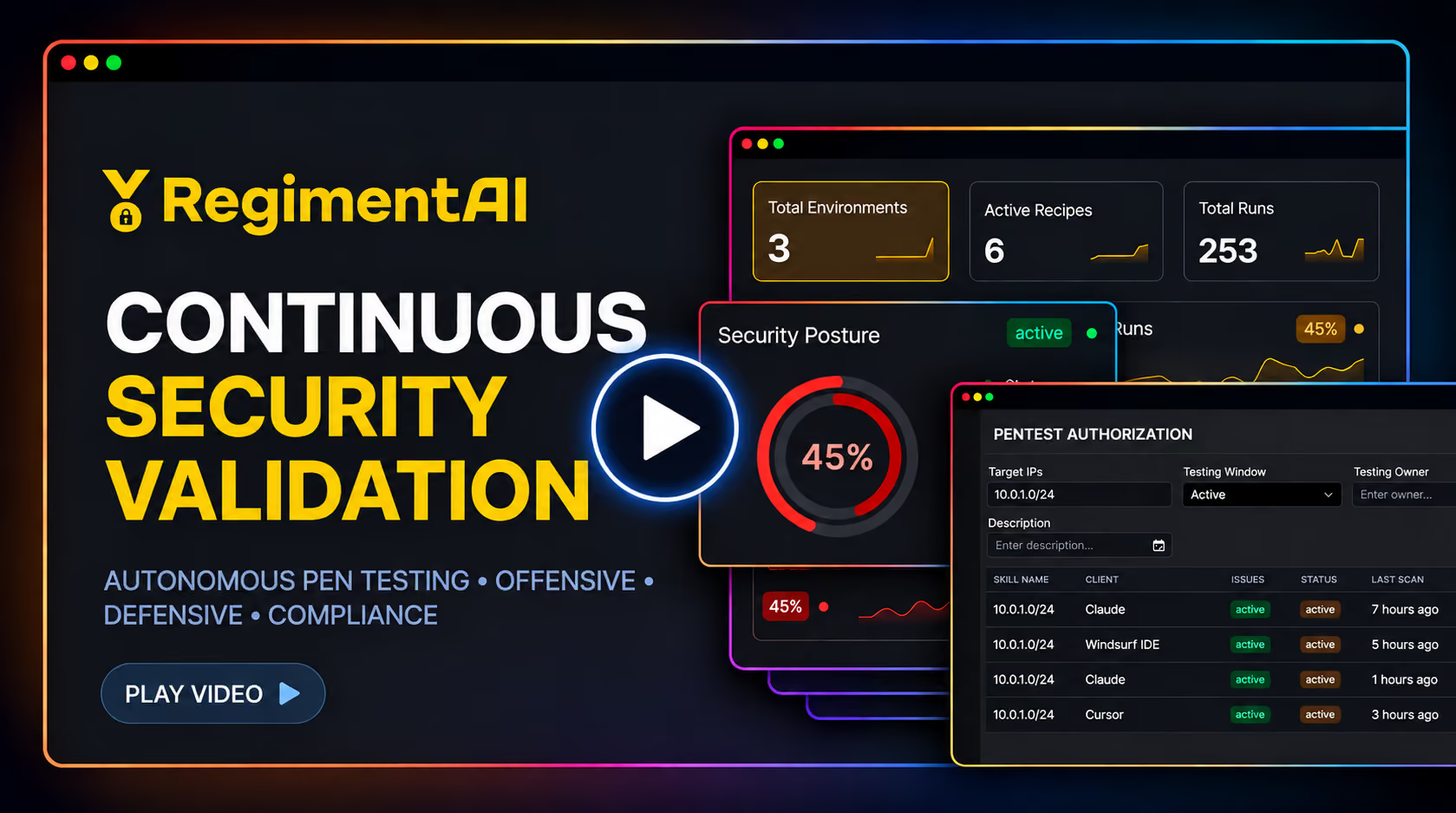
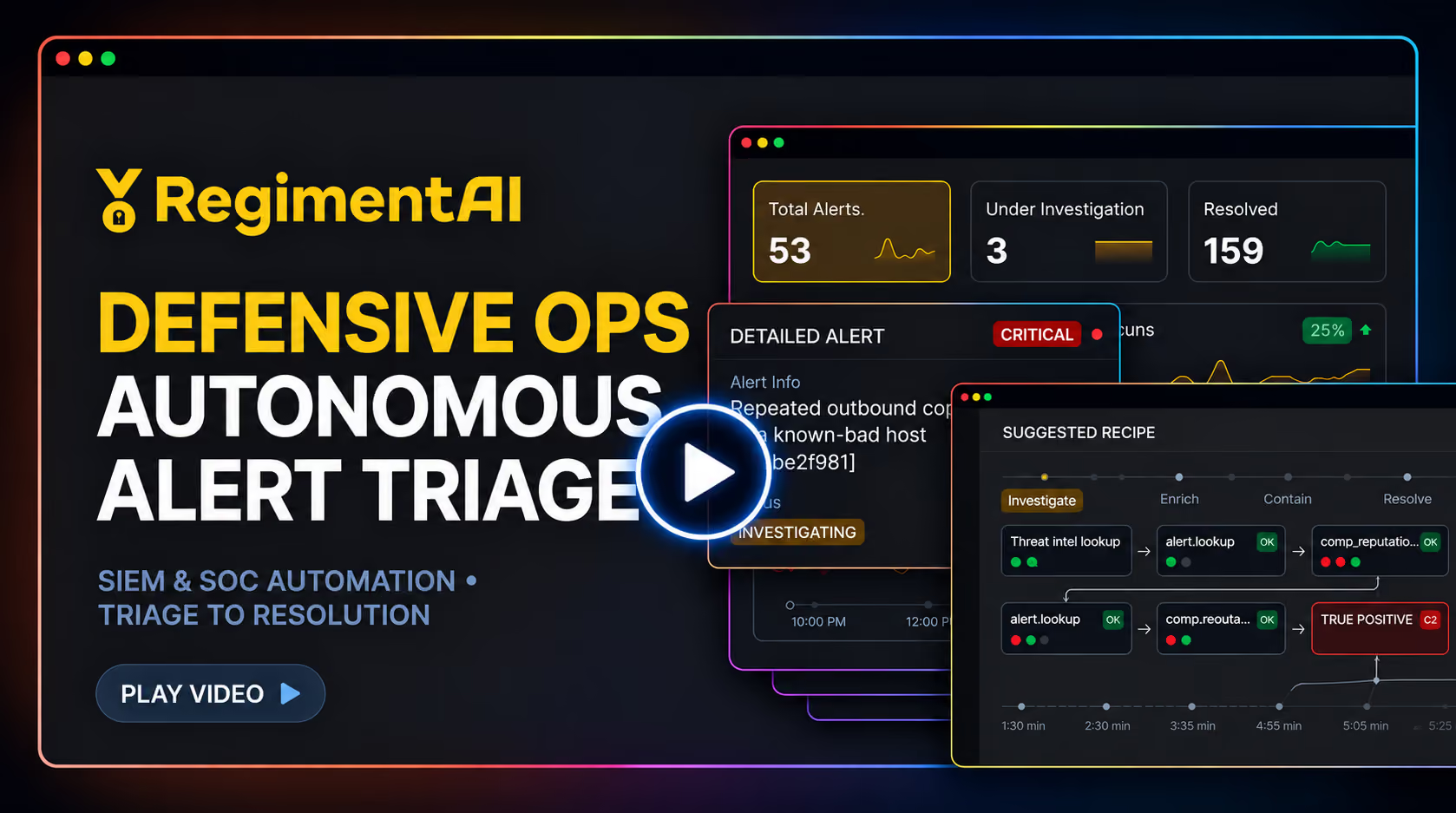
Watch how Regiment AI transforms the modern SOC and defensive ops, with an autonomous agent designed to triage and resolve unknown SIEM alerts with speed and accuracy. The video demonstrates how Regiment AI dynamically analyzes threat intelligence, environmental context, and identity patterns, to investigate zero-day anomalies - such as suspicious outbound connections to C2 infrastructure - and proves every step of its logic. Ultimately, by generating custom automation recipes directly from these investigations, it empowers security leaders to effortlessly convert complex manual triage into deterministic, policy-driven workflows.
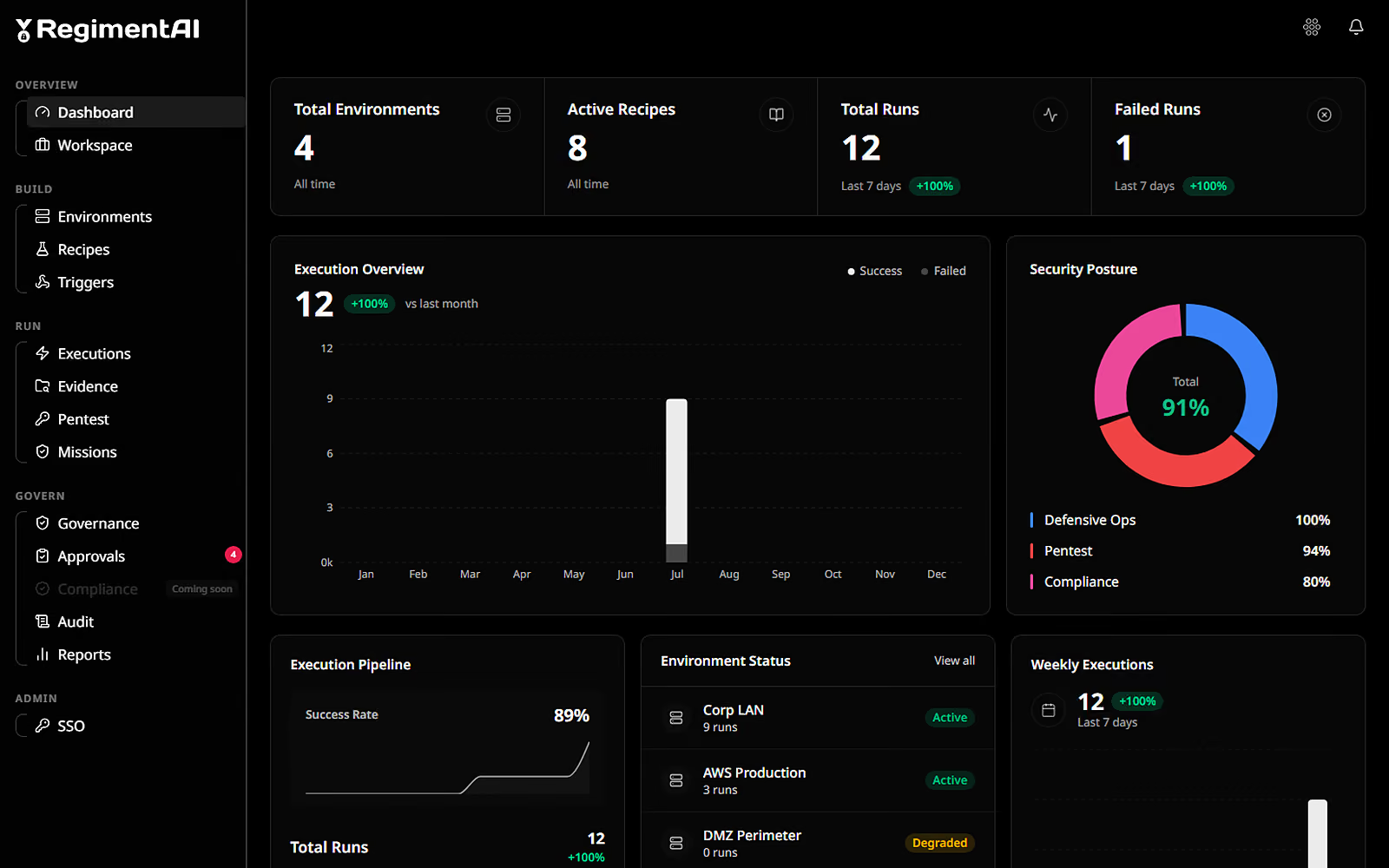
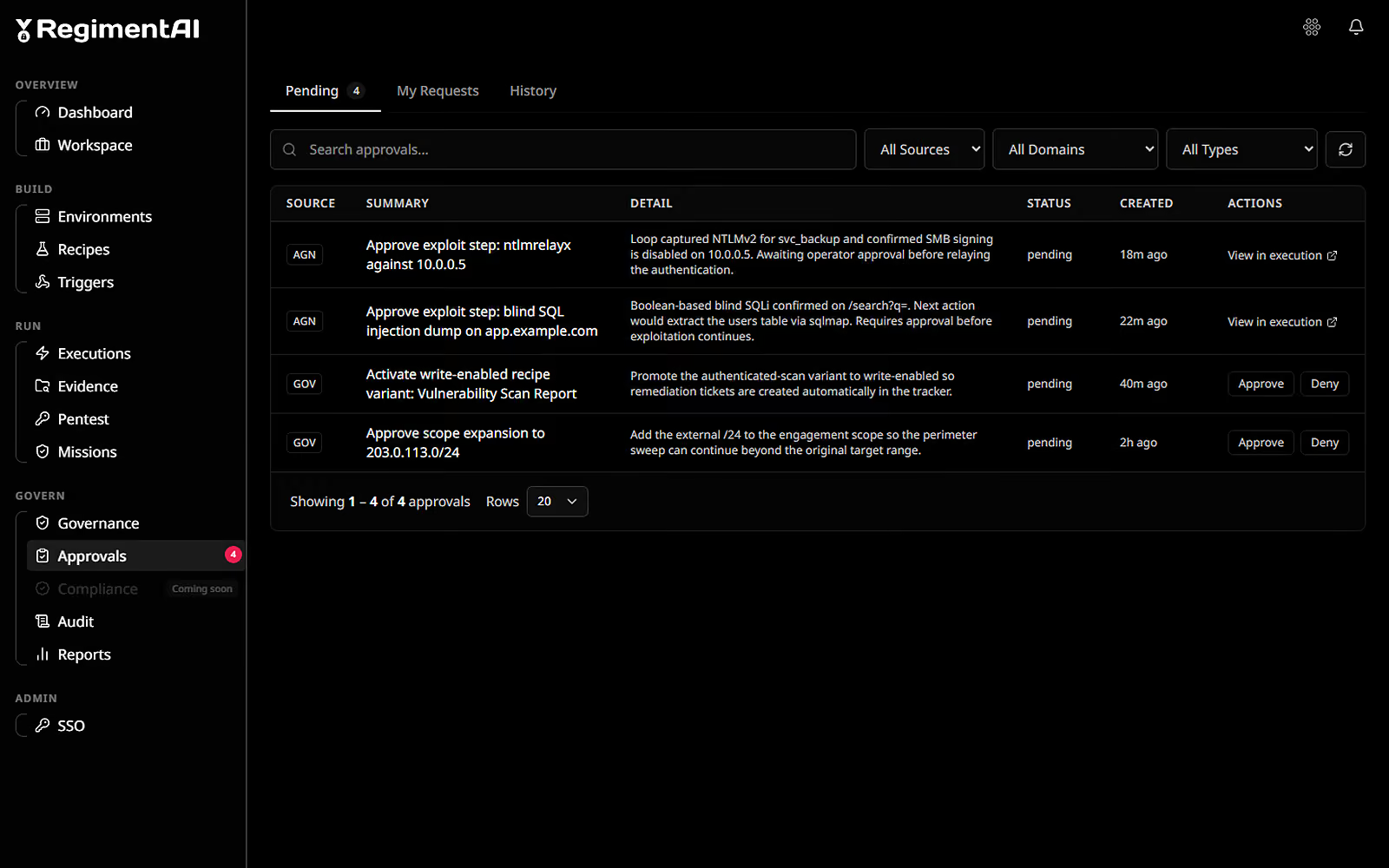
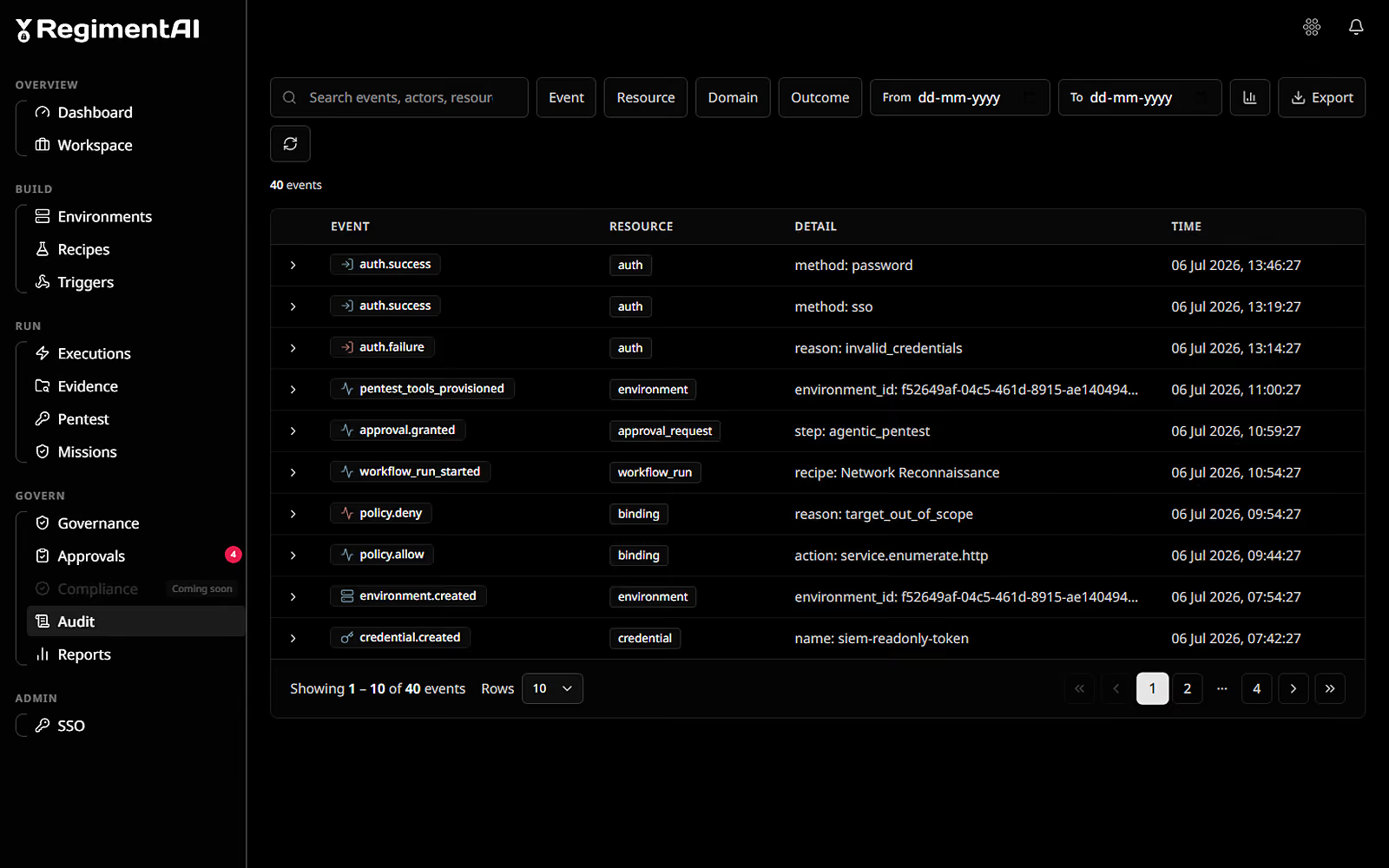
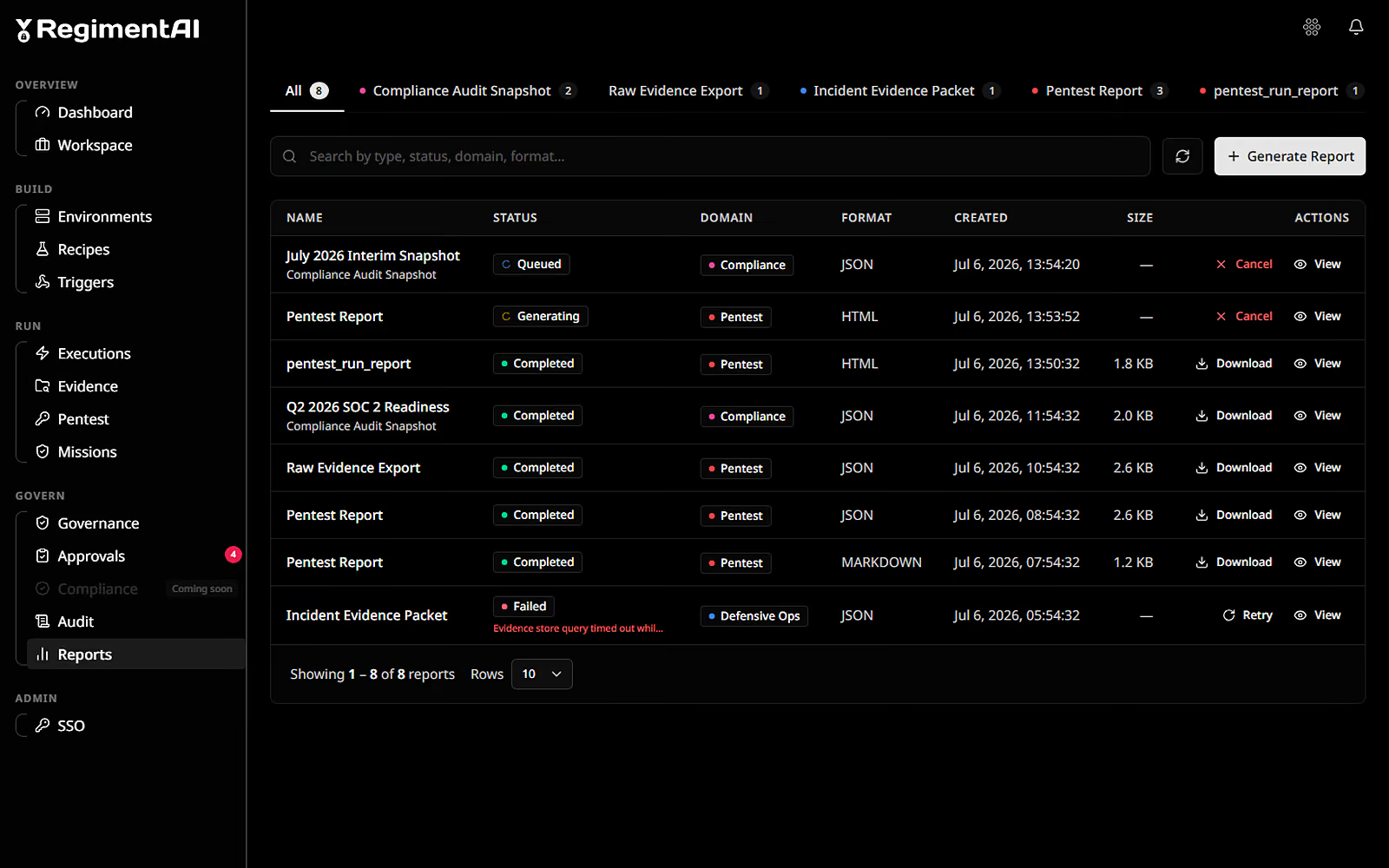
Securely sign in to the RegimentAI platform and access your unified cybersecurity operations dashboard.
At-a-glance overview of environments, recipes, run activity, security posture, and recent events.
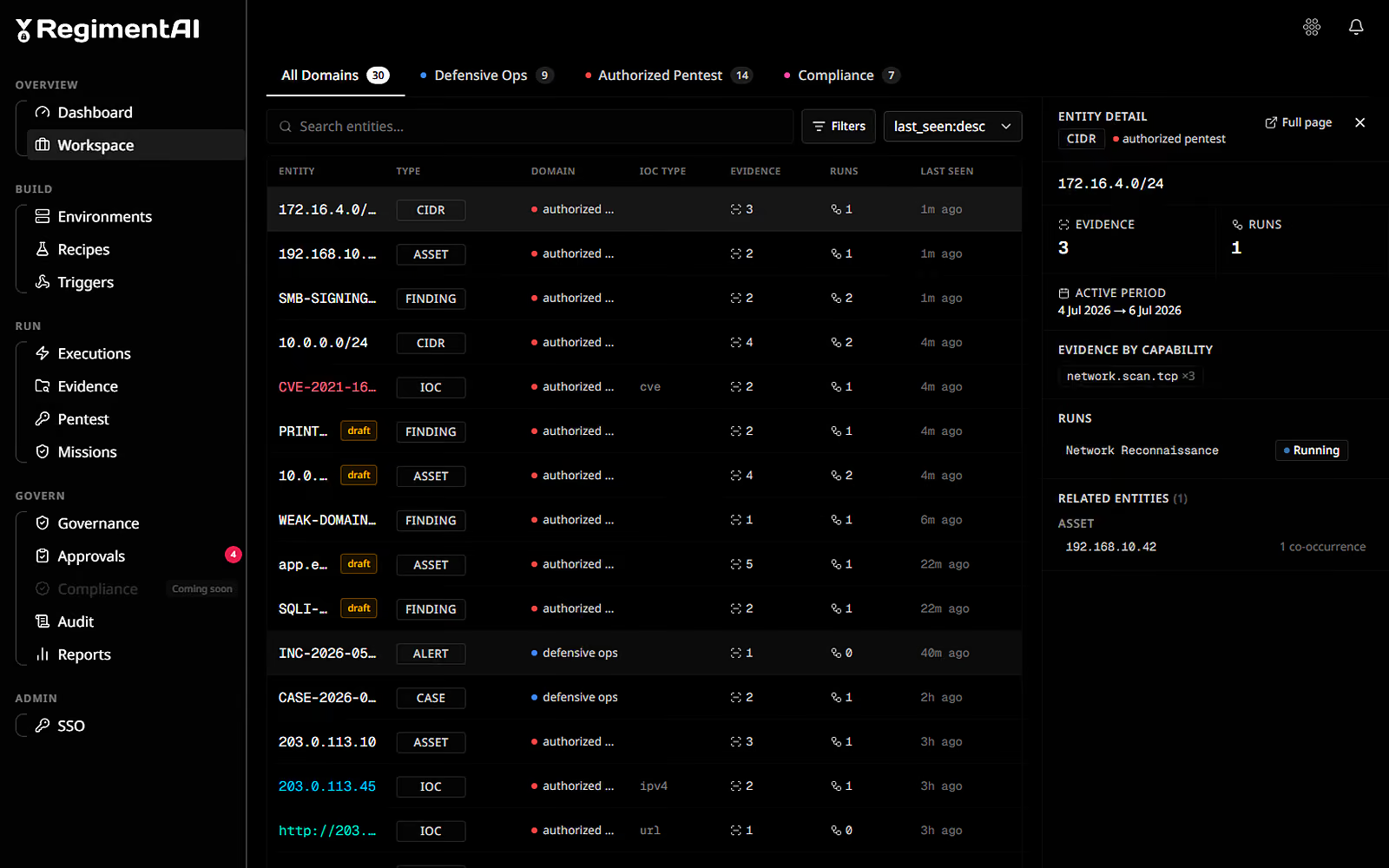
Unified view of discovered entities - assets, networks, findings, IOCs, alerts, and cases - with linked evidence and runs.
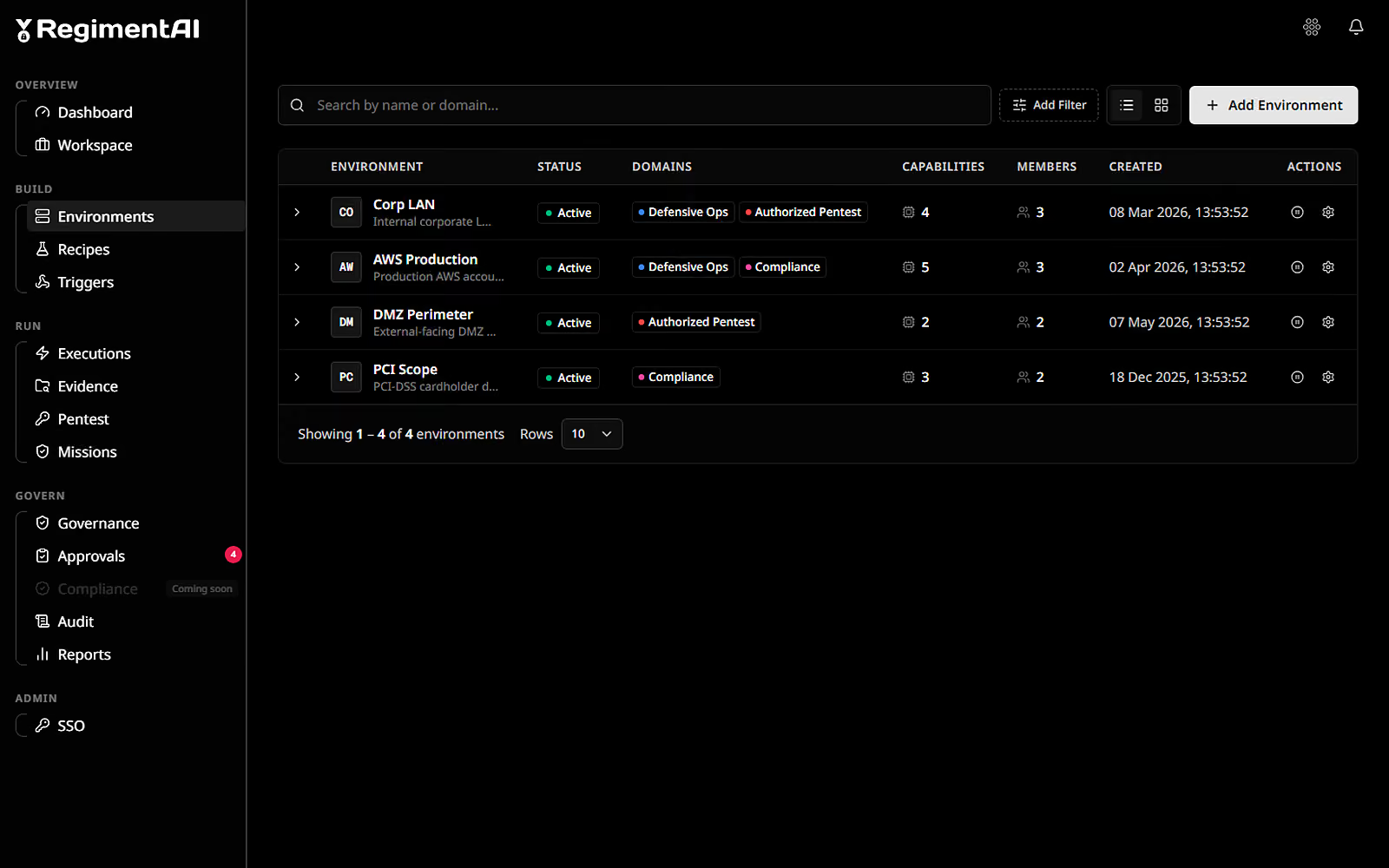
Manage target environments, their domains, enabled capabilities, members, and status.
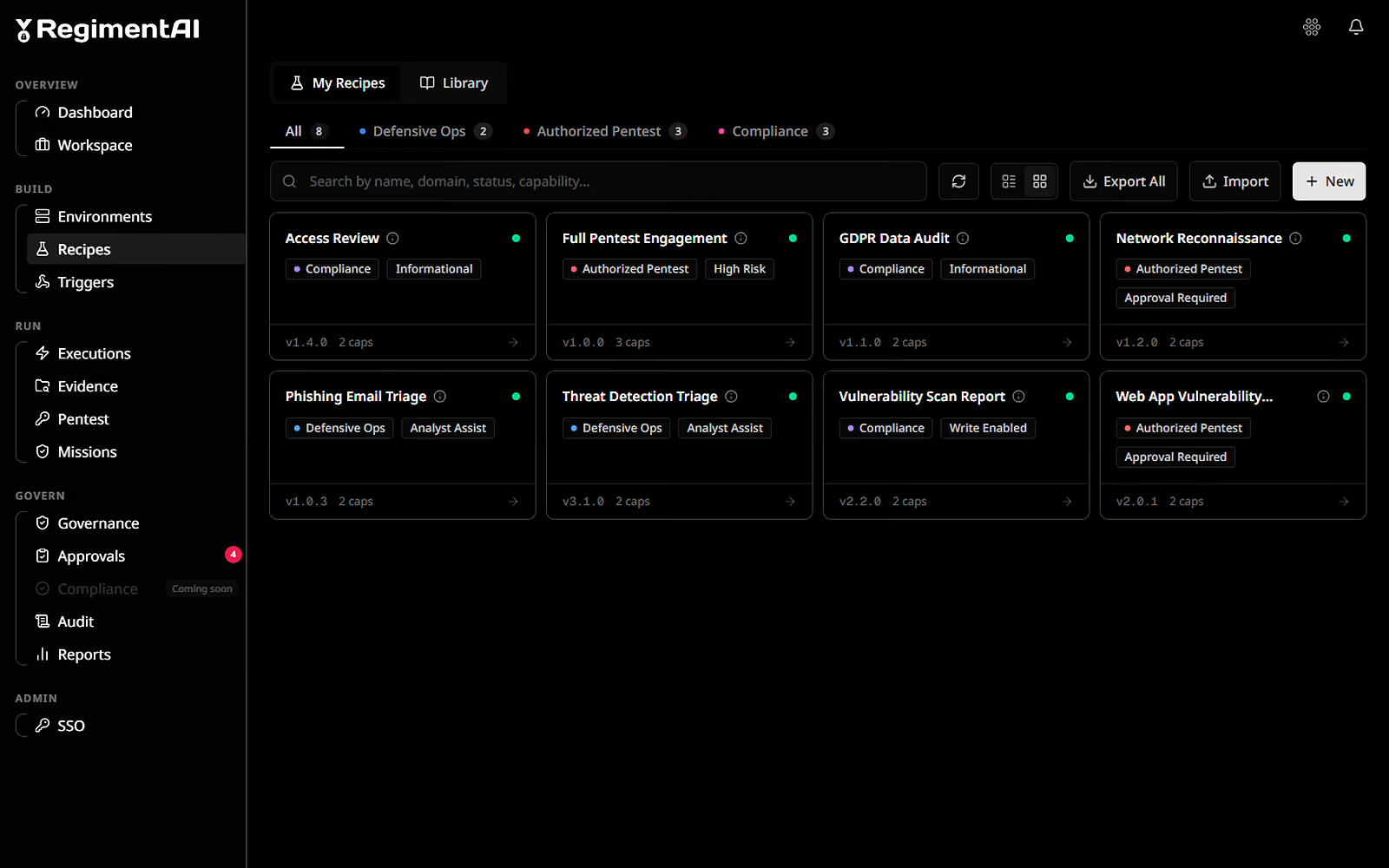
Library of reusable, versioned security-testing playbooks organized by domain and capability.
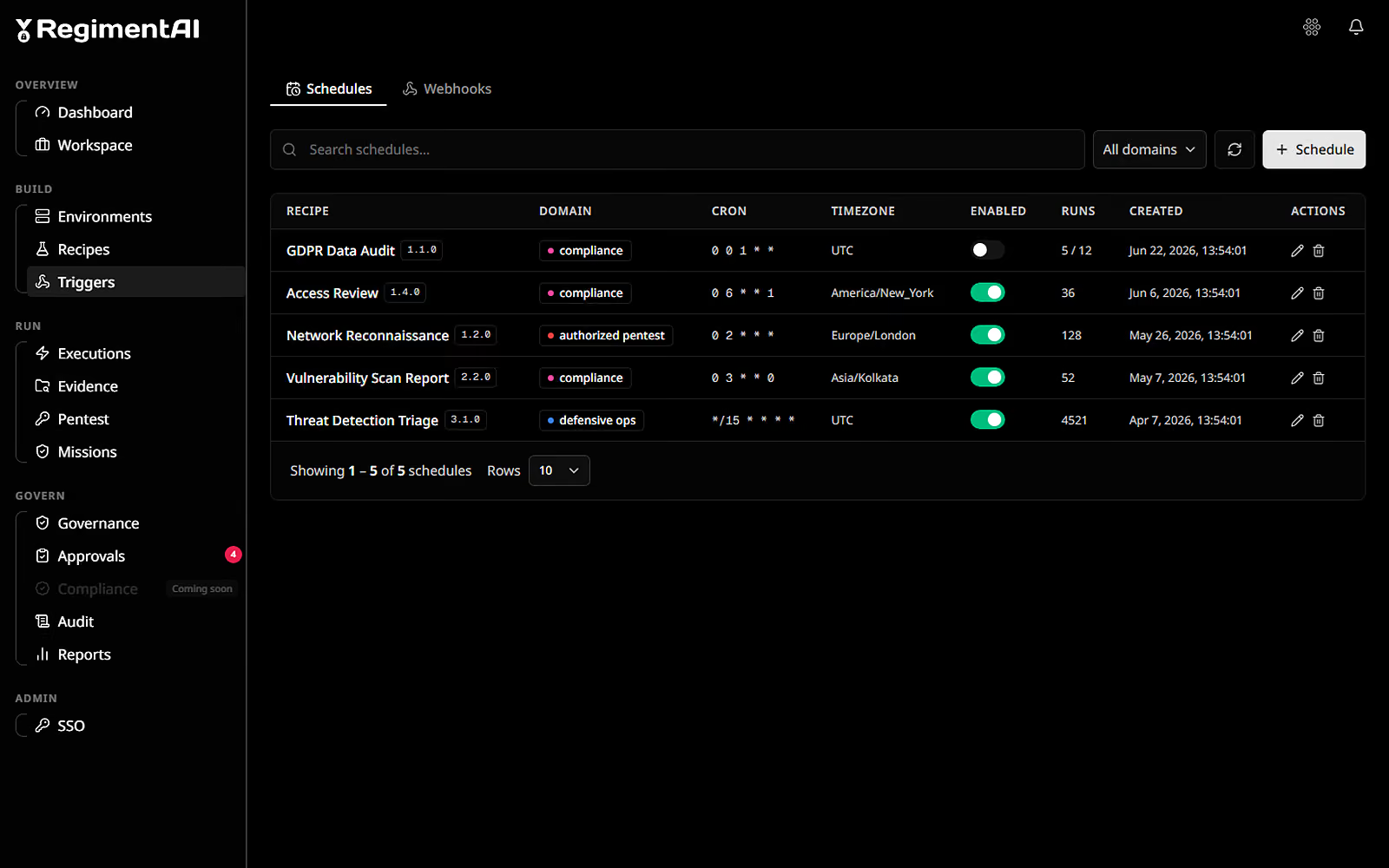
Automate recipe runs on cron schedules or via inbound webhooks.
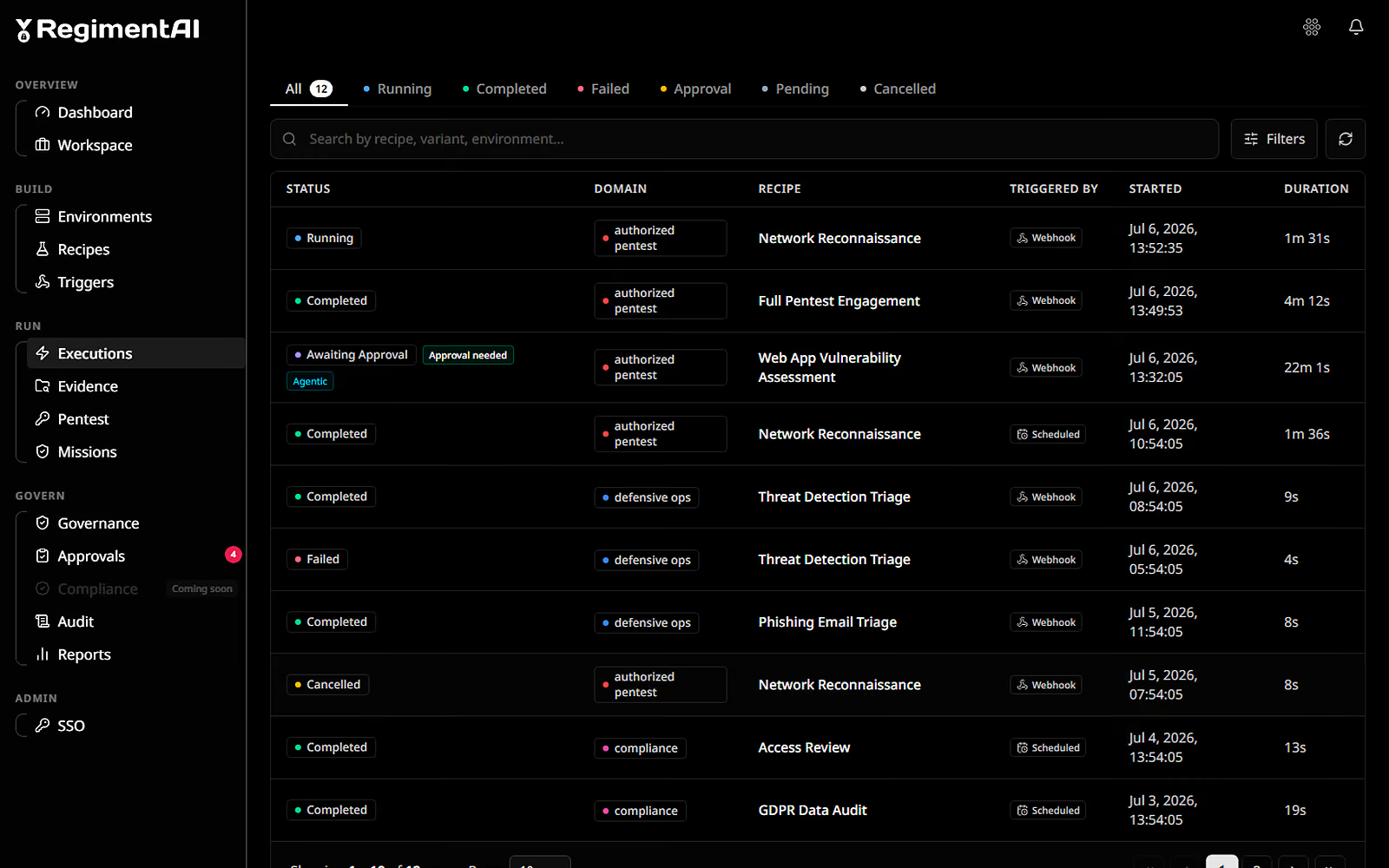
Track every recipe run with live status, domain, trigger source, and duration.
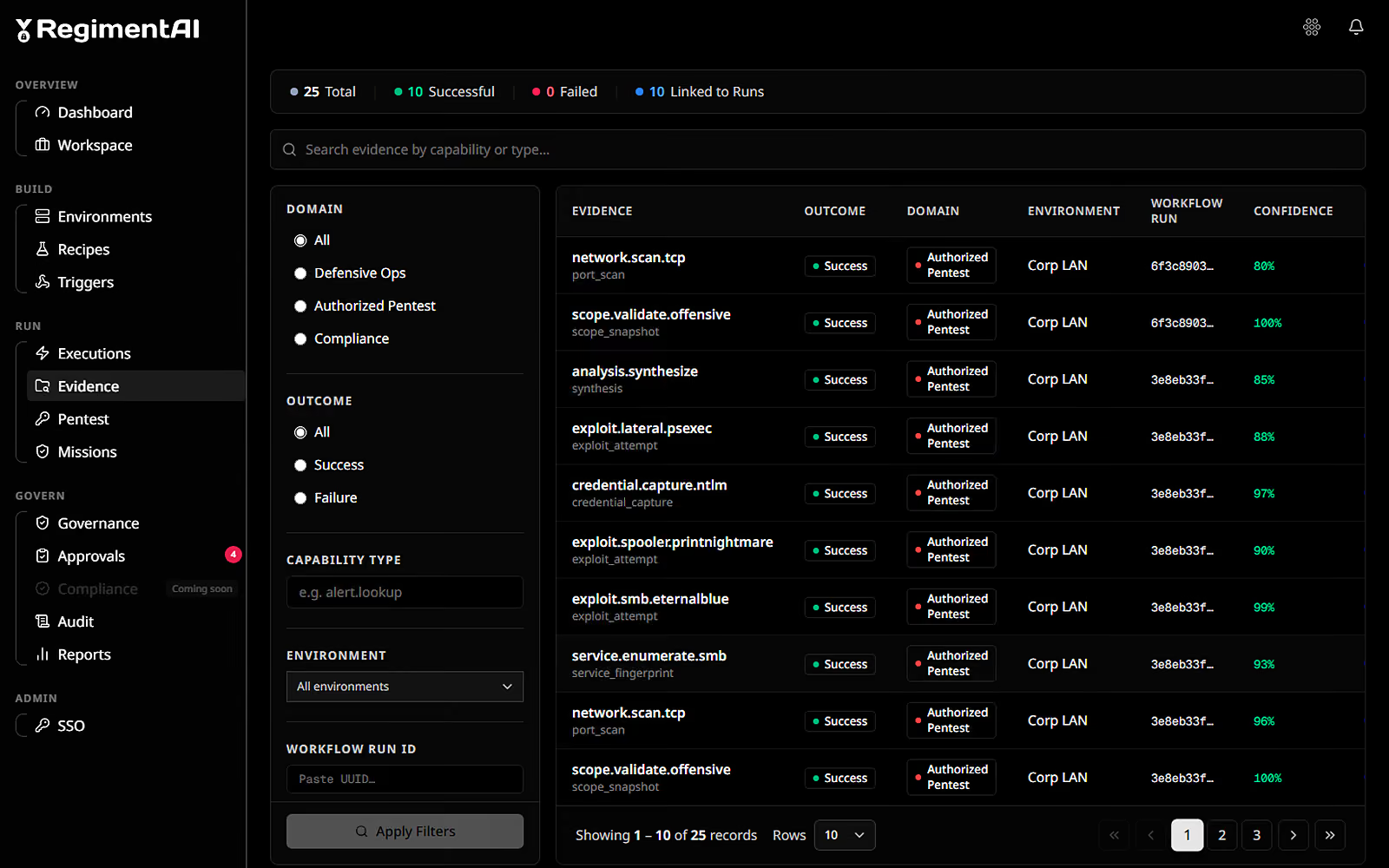
Browse and filter evidence captured by capabilities, each linked to its run, outcome, and confidence.
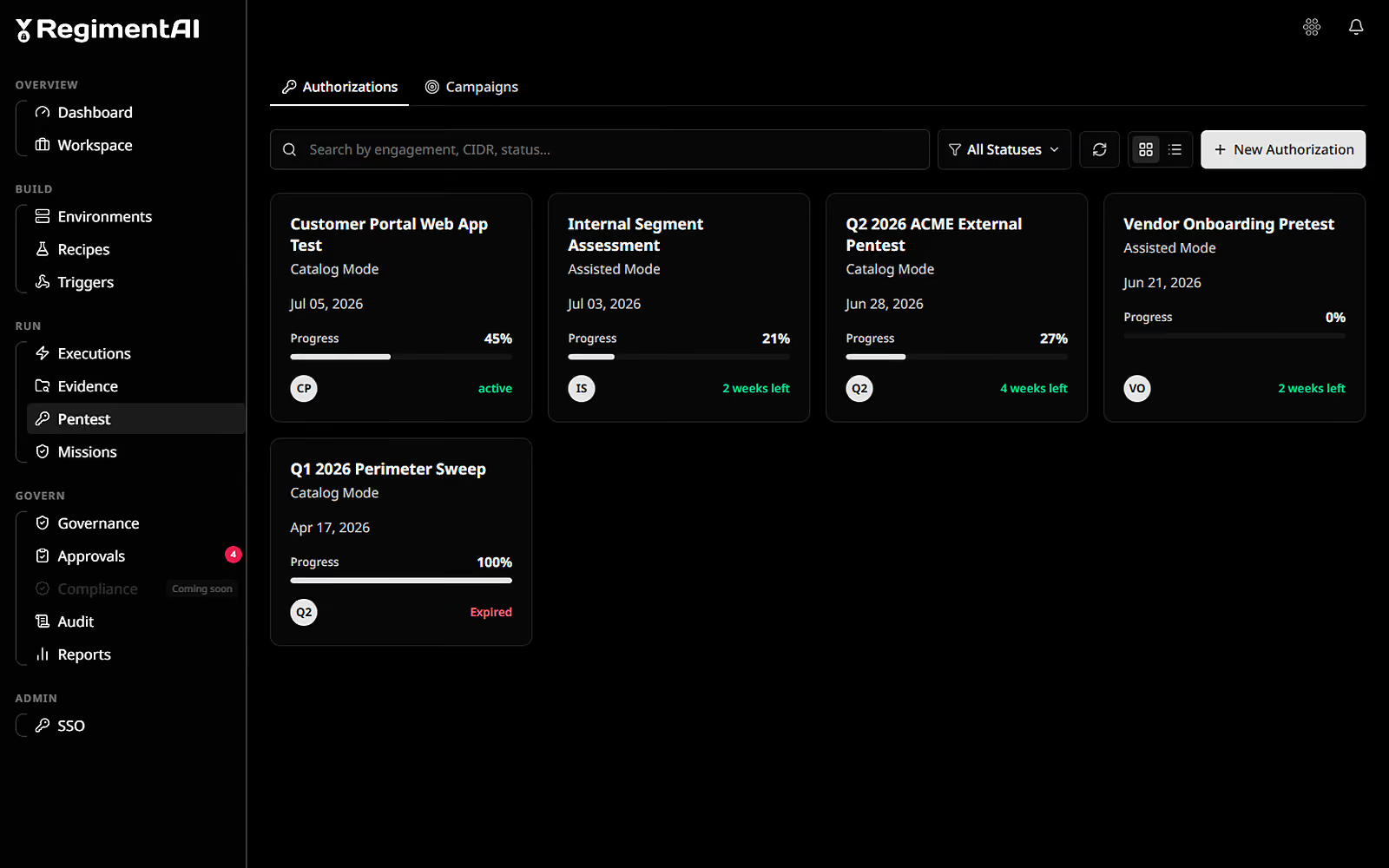
Manage penetration-test authorizations and campaigns with scope, mode, and progress.
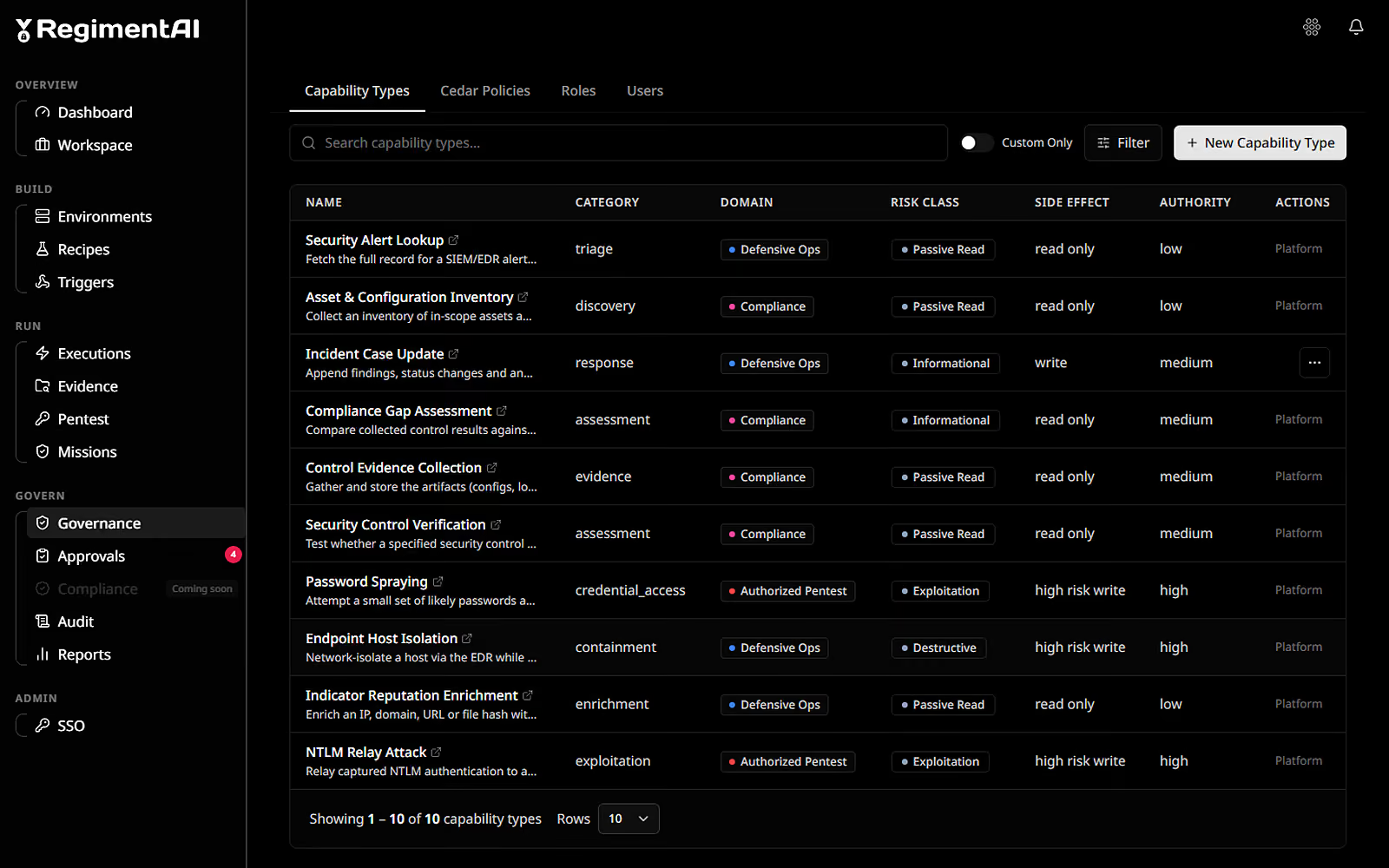
Define capability types, Cedar policies, roles, and users that govern which actions are permitted.
Review and approve or deny pending human-approval gates for gated execution and governance steps.
Immutable, searchable log of every user and system action across the platform.
Generate, track, and download engagement reports in multiple formats.
Discover complete cybersecurity expertise you can trust and prove you made the right choice!